How to Design a Hotel Uniform Staff Will Love
Guests notice a hotel uniform for a few seconds. Staff live in it for the whole shift. When we design for a hotel, we treat the team as our first client, because a uniform people are comfortable and proud to wear will always look better than one they put up with.
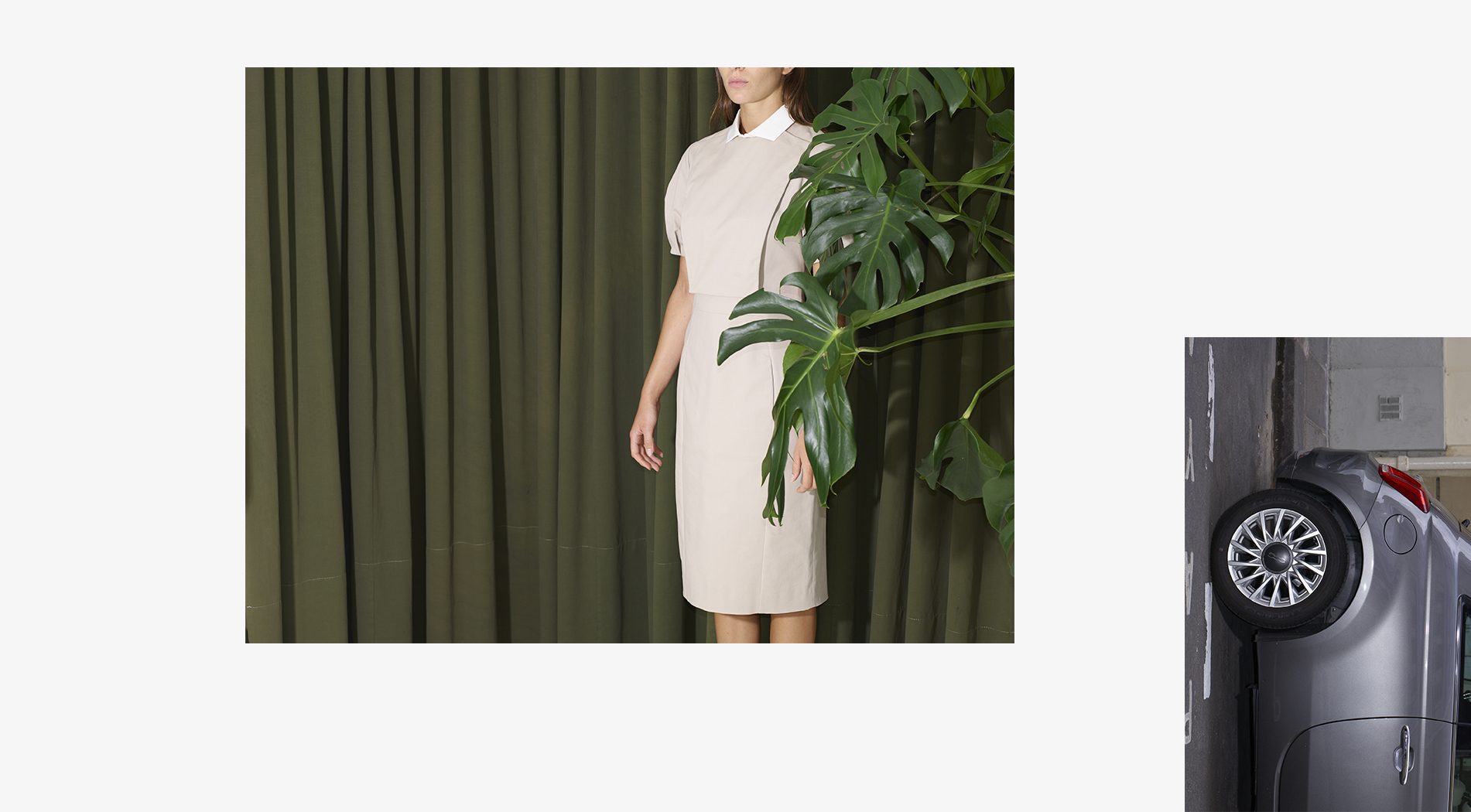
Begin with the people who will wear it
Watch a shift
Every project starts with conversations on the floor. We spend time with the front office, housekeeping, food and beverage, spa and maintenance teams, ideally during service rather than in a meeting room. We watch how people move, what they carry, where they get hot and what irritates them about their current uniform. The answers are rarely about style. They are about a waistband that rolls, a collar that rubs, a jacket that rides up when someone reaches for a high shelf, or a pocket too shallow to hold a phone.
Ask what already works
We also ask what people like. Many teams have a favourite garment, often an old piece that has survived several redesigns because it simply works, and understanding why is useful. Staff who have been listened to at the start tend to become the project’s best advocates when the new uniform arrives.
Map the roles before you design the looks
A hotel is several businesses under one roof, and each department needs its uniform to do something different. Before sketching, we draw up a simple matrix of roles, the tasks each one performs and the spaces they work in. Typically that covers:
- Front office and concierge: the most visible roles, standing for long periods and meeting guests at close range. Tailoring, refined cloth and a calm palette matter most here.
- Door and valet: outdoors in all weathers, often lifting luggage. They need proper outerwear, weather protection and freedom across the shoulders.
- Housekeeping: physical work with constant bending and lifting, cleaning products close at hand. Breathable, easy-care garments with room to move and secure pockets.
- Restaurant, bar and room service: quick movement, spills and heat from the pass, and the need to look polished at the table.
- Spa and wellness: warm, humid rooms and a quieter, softer register.
- Engineering and back of house: durability and safety first, while still belonging to the same family.
The matrix shows where pieces can be shared across roles and where they have to diverge. It also helps a hotel see the full scope of the project and plan budgets and quantities role by role.
Fit for every body on the team
A hotel team includes people of every height, build and age, and a standard size chart flatters very few of them. We develop a size range with enough points to fit everyone properly, with separate cuts where body shape requires it rather than a single unisex block that fits no one well. Where possible we offer choice within a role: trousers or a skirt, a dress or separates, a jacket or a knit. Adjustable details such as side tabs on waistbands, generous seam allowances and hems that can be let down help a garment adapt to its wearer and to changes over time, including pregnancy. Where fit matters most, we measure team members individually and make their pieces to measure.
Designed for movement
Most uniform complaints are really movement problems. A jacket that looks sharp on a hanger can bind at the armhole the moment someone lifts a tray or hands over a key card across a high desk. We set sleeves with enough pitch and cut a higher armhole so the arm can move freely without the whole jacket lifting. We add discreet gussets, action pleats at the back and stretch where it is genuinely needed. Trousers get a little more room in the seat and knee for staff who crouch and kneel. Then we test each piece by asking people to do their actual job in it, not just stand in front of a mirror.
Climate, season and the building itself
The same hotel can hold several climates at once. The lobby may be cool and air-conditioned, the terrace hot in the afternoon, the laundry humid and the entrance exposed to wind and rain. We design uniforms as a system of layers: a breathable shirt or blouse as the base, then waistcoats, jackets, knits and outerwear that can be added or removed without the look falling apart. Seasonal versions, such as a linen-blend summer jacket alongside a wool one for winter, keep teams comfortable through the year. Our notes on uniform fabrics go into the cloths we use for each situation.
Pockets and practical details
Ask a concierge what they carry and the list is long: a phone, a pen, a notebook, key cards, sometimes a radio, a torch or a tablet. Pockets need to be deep enough, placed where hands naturally go and reinforced so the weight does not pull the garment out of shape. We often add an inside pocket sized for a phone, a pen slot that does not show through and a discreet channel for a radio earpiece cable.
Name badges and fastenings
Name badges are worth solving early; a magnetic fixing or a sewn-in tab saves a jacket from a season of pin holes. Buttons should be sewn to survive the laundry, and zips and press studs chosen so they can be worked quickly with one hand. Small details like these decide whether staff use the uniform as designed or start improvising.
Tell the brand story without a costume
A uniform should feel as though it belongs to the hotel: its architecture, its interiors, its location and its tone of voice. It should not look like fancy dress. We aim for restraint. A colour drawn from the lobby stone, a lining print that only shows when a jacket opens, a button in a material that echoes the bar, a collar shape borrowed from the lines of the building. One or two well-chosen references carry the story further than a literal theme, and they age better. Our test is simple: would the wearer be happy to be seen in this outside work? If the answer is yes, we are close.
Wear trials before rollout
No design is finished until it has been worn. Once prototypes are approved, we run wear trials with a small group from each department over several weeks of real shifts. The pieces go through the hotel’s own laundry, so we see how they cope with its temperatures and finishing. We gather feedback in short conversations and simple written notes, then adjust patterns, fabrics and details before production. A wear trial takes time, but it is far cheaper to change a pocket or a sleeve on a handful of prototypes than on hundreds of finished garments.
Rollout and the long term
When the uniform is ready, fitting days give every team member the chance to try their sizes and ask for alterations. We keep a record of each person’s sizes and adjustments, so new starters and replacements can be supplied quickly and consistently. A clear care guide and a replenishment plan keep the wardrobe looking as it should long after the launch photographs have been taken. We describe that longer view in our process for staff wardrobes.
You can see examples of our work on the uniforms page. If you are planning new uniforms for a hotel, we would be glad to hear about it: contact the studio.