Front Desk vs Housekeeping Uniforms: Key Differences
The front desk and housekeeping are two of the largest teams in most hotels, and two of the most different. One works face to face with guests in the lobby; the other works mostly out of sight and on its feet, from the first room to the last. Their uniforms belong to the same house, but they have very different jobs to do.
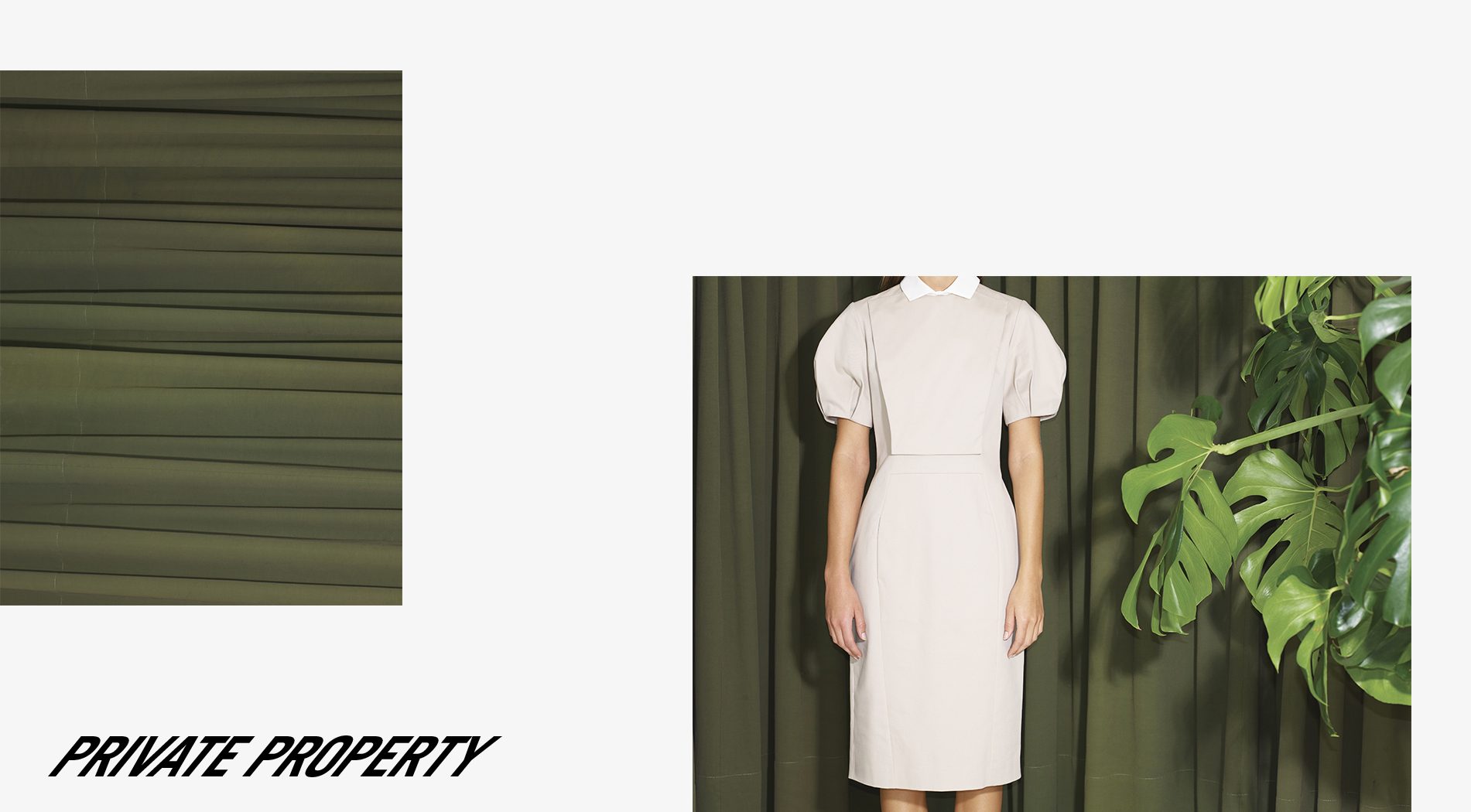
The two roles at a glance
- Front desk: highly visible, long periods of standing, close contact with guests across a counter, a controlled indoor climate and light physical work.
- Housekeeping: constant bending, lifting, kneeling and pushing trolleys, contact with water and cleaning products, warm and humid rooms, and guests met in corridors and lifts rather than across a desk.
Almost every difference below follows from those two lists.
Silhouette
Front desk uniforms are usually the most tailored in the hotel. A jacket, a waistcoat or a structured knit over a shirt or blouse gives the polish guests expect at check-in, and because of the counter, the upper body is what people see first. Trousers, skirts and dresses complete the look, but the jacket carries the identity.
Housekeeping uniforms need freedom before structure. Tunics, wrap tops, shirt-dresses and trousers with a comfortable rise let staff reach under beds and stretch across mattresses without the garment pulling or riding up. We cut with more room through the back and seat, add pleats or gussets where the body bends, and avoid anything loose enough to catch on a trolley or a door handle.
Fabric
At the front desk we often use lightweight wool or wool blends for jackets and trousers. They look composed all day, recover from creasing and cope with the change between a cool lobby and a warm back office. Shirts in cotton poplin or an easy-care blend stay crisp.
Housekeeping calls for durable, breathable, washable cloth: polyester-cotton twills, cottons with a little mechanical stretch and knits for layering pieces. The fabric has to survive frequent hot washing and contact with cleaning products without fading or pilling quickly. We cover these trade-offs in detail in our notes on uniform fabrics.
Colour
Front desk colours tend to follow the interior and the brand: calm, deep tones that read well under lobby lighting and in guests' photographs. Housekeeping colours need to hide marks and hold up to washing, so mid and dark tones, small textures and discreet patterns are kinder than pale plain colours. Some hotels deliberately choose light colours for housekeeping to signal cleanliness; if you do, plan for more frequent replacement. Either way, both teams should clearly belong to the same house.
Pockets and what people carry
A receptionist carries a pen, key cards and perhaps a phone or a radio. Pockets should be discreet and placed so that bulky items do not spoil the line of a jacket; an inside pocket and a hidden pen slot are often enough.
Housekeepers carry much more and reach for it constantly: a master key or card, gloves, cloths, a phone, a notepad, sometimes a radio. Their pockets need to be deep, secure and reinforced, placed where hands fall naturally, with a loop or clip for keys. A tabard or a waist apron can add pockets without changing the garment underneath.
Footwear
Front desk staff stand for hours on hard floors, so shoes need support and cushioning, and they should look as considered as the rest of the uniform. Housekeepers walk long corridors and work on wet bathroom floors, so closed toes and slip-resistant soles matter more than polish. If the hotel supplies shoes, specify them with the same care as the garments.
Accessories and details
At the front desk, accessories carry much of the personality: a scarf or tie in a house colour, a pin, a well-made name badge. They are also an easy way to refresh a uniform between seasons without replacing the core pieces. We keep them simple enough that everyone wears them the same way, because a scarf tied six different ways across one team quickly looks untidy.
Housekeeping needs fewer accessories and more practical details. Anything that dangles, such as a long tie, a loose belt end or a lanyard, can catch on trolleys, bed frames and door handles, so we prefer clips, short cords and reels. Cuffs should stay clear of the wrist when gloves go on, and fastenings should lie flat so they do not scratch furniture or press into the body when someone kneels beside a bath. Garments that are easy to change during a shift, and can be washed hot when they need it, help housekeepers stay fresh through physical work.
Climate
A lobby is usually air-conditioned, although entrances can be draughty and resort check-ins may be outdoors. Layers work well here: a jacket that comes off in the back office, a knit for winter. Housekeepers move between corridors, rooms where the air conditioning has been off all day and steamy bathrooms, and they work up a sweat. Breathable fabrics that manage moisture, short or roll-up sleeves and a light cardigan for cold corridors keep them comfortable.
Laundering and quantities
Front desk tailoring is usually dry cleaned or washed gently and lasts longer per piece; staff typically need a couple of jackets and several shirts. Housekeeping garments get dirty quickly and go through the laundry far more often, so plan for more pieces per person and a shorter life for each. Fit matters for both teams, as we explain in why fit matters, and our notes on caring for uniforms and budgeting per employee go further into laundering and replacement.
Keeping one family
The differences are large, but guests see both teams, often in the same lift. We keep the wardrobe coherent through shared details rather than identical garments: a common palette, the same buttons, a collar shape repeated in different cloths, a piping or stitching colour, matching name badges. The front desk might wear a navy wool jacket with a contrast collar, and housekeeping a navy tunic in a washable twill with the same contrast at the neck. The result reads as one hotel while letting each team do its job. You can see the approach in how to design a hotel uniform staff will love and in the pieces on our uniforms page.
If you are planning new uniforms for a hotel, get in touch.