The Allure of the Uniform: How Hotel Workwear Became a Fantasy
A hotel uniform is designed to make its wearer recede, to say ‘I work here’ and very little else. Yet few kinds of workwear have gathered as many stories. The bellhop, the chambermaid and the doorman have become characters in their own right, on stage, on screen and on the costume rack. This is how hotel workwear turned into a fantasy, and what those of us who design real uniforms can learn from it.
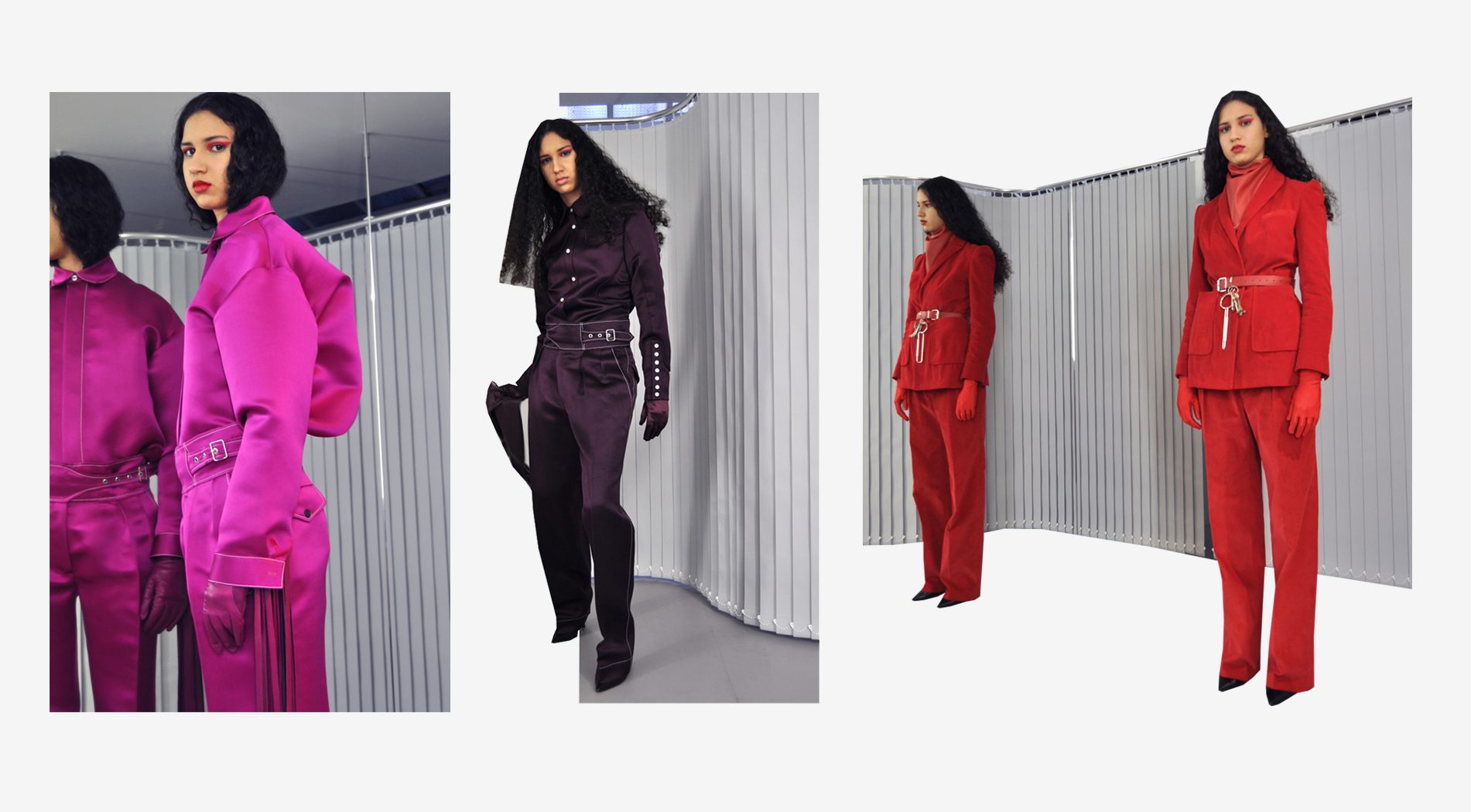
Why a uniform invites a story
Ordinary clothes tell you about a person. A uniform tells you about a role. That is its purpose: when a guest walks into a lobby, the cut and colour of a jacket answer the question ‘who can help me?’ before anyone speaks. The individual steps back and the function steps forward.
That same quality makes a uniform easy to build stories around. It promises competence, discretion and a set of unwritten rules. It suggests that the wearer belongs to a world with its own codes, back corridors and private hours, a world that guests glimpse but never fully enter. Hotels have always traded on that sense of a hidden machine running smoothly behind the scenes, and the uniform is the most visible part of it.
From livery to the grand hotel
Hotel workwear did not begin in hotels. Its roots are in livery, the colours and garments that great households gave their servants to show whom they served; the word comes from the French livrée, something handed over. When the grand hotels of the nineteenth century set out to offer household-style service to paying guests, they borrowed the visual language of domestic and military service along with it.
The bellhop is the clearest example. The name comes from the desk clerk ringing a bell and the porter hopping to attention, and the classic outfit, a fitted waist-length jacket with a band collar, rows of brass buttons and a small round cap, is modelled on the dress uniform of nineteenth-century military drummer boys. Housekeeping took its cues from the domestic housemaid: a plain dark dress, a white apron and, in older houses, a cap. Doormen inherited the greatcoat and the braid. Each piece was designed to signal rank, readiness and belonging to the house, not to flatter the person inside it.
How workwear became costume
Once a garment is instantly recognisable, the stage and the screen will borrow it. The French maid is the textbook case. The term first described a lady’s maid of French nationality in Victorian households, a senior servant valued for her knowledge of fashion. Burlesque and bedroom farce turned her into a flirtatious stock character, and the costume that followed exaggerated the housemaid’s black-and-white afternoon uniform until it had very little to do with work at all.
Halloween racks and costume shops did the rest. Maid, bellboy and flight attendant outfits hang beside pirates and nurses, reduced to a few unmistakable signs: a pillbox cap, a frilled apron, a row of buttons. More recently, the same stock characters have moved online, from cosplay communities that recreate costumes with real tailoring skill to the maid cafés that began in Japan. Adult entertainment has followed the pattern into software as well: directories such as Jerkoff ai tools catalogue the AI chat and companion apps for adults in which characters are often built from exactly these familiar roles and outfits. It shows how strong the visual codes are. A cap, an apron and a few lines of description, and everyone knows the story being told.
The hotel on screen
Cinema has kept the hotel uniform in circulation for a century. A hotel story almost always needs a lobby boy, a chambermaid or a night manager, and the uniform does the introductions. Wes Anderson’s The Grand Budapest Hotel made a purple lobby-boy uniform the emblem of an entire film, and Milena Canonero’s costumes for it won the Academy Award for Best Costume Design. Romantic comedies such as Maid in Manhattan built their plots on the idea that a uniform makes someone invisible until the right person looks twice.
Screen costume designers understand something that applies to real hotels too. A uniform is read in a fraction of a second, so its silhouette, colour and a single strong detail carry most of the message. Everything else is there to make it believable.
What the fantasy gets wrong, and what it gets right
For anyone who designs real uniforms, the costume version is a useful caricature. It exaggerates exactly the elements that make a uniform readable, and throws away everything that makes it wearable.
- The bellhop. The costume keeps the cap and the brass buttons. A real porter needs a jacket cut for lifting, with room across the back and sleeves that stay put when the arms go up.
- The housekeeper. The costume shortens the dress and adds frills. A real housekeeper kneels, bends and pushes a heavy trolley, and needs trousers or a generous skirt, some stretch and proper pockets.
- The doorman. The costume keeps the braid. A real doorman stands outside in rain and sun and needs outerwear that is genuinely weatherproof.
- The receptionist. The costume keeps the neat collar. A real front-desk team works long hours under air conditioning and needs layers that breathe.
What the fantasy gets right is that clarity matters. People respond to a uniform that is coherent, well fitted and confident in its own codes. Guests feel looked after; staff feel part of something. That is a goal worth keeping, and our comparison of front desk and housekeeping uniforms shows how one house can speak a single visual language across very different jobs.
Where the line sits
There is a serious side to all of this. The people who wear hotel uniforms are workers, not characters, and housekeepers in particular often work alone in guest rooms. In recent years many hotels, and several US cities, have introduced panic buttons for staff who work alone in rooms, a sign of how real the risk of harassment can be. A uniform should never add to that risk.
In practice, that means a few principles on every project. Trousers and skirts are offered as a choice, never imposed on one group. Lengths, necklines and fits are decided by movement and comfort, not by how a garment might look in a photograph. And the team is part of the design from the first conversation, which is the subject of our guide to designing a hotel uniform staff will love. A uniform can be elegant, even glamorous, but its first loyalty is to the person inside it.
A uniform worth imagining
The allure of the hotel uniform is not really about the clothes. It is about what they promise: a world that runs smoothly, people who know exactly what they are doing, and an air of discretion that makes a stay feel special. Costume and fantasy borrow those promises and exaggerate them. Good uniform design keeps them honest. When the cut works, the cloth survives a long shift and the team is proud to wear it, the uniform carries all of that quiet glamour without asking anyone to play a part. You can see some of our pieces on the uniforms page.